


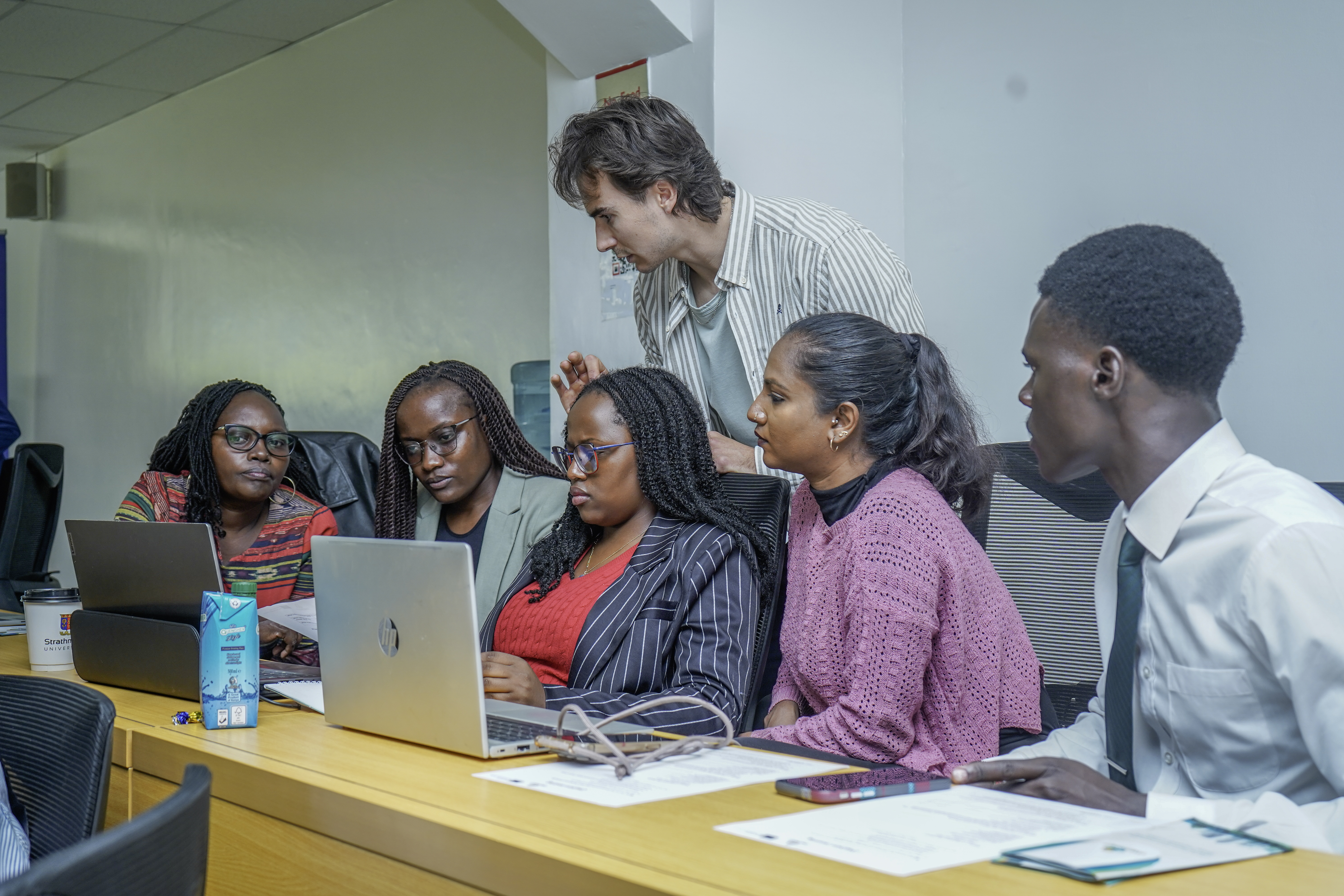
For Grace Ochieng, a 26-year-old Kenyan student, the path to studying abroad was defined by "insanity." Despite holding a scholarship and a complete folder of documents for her move to Germany, she spent months trapped in a bureaucratic "quagmire." "It should not be this way," she said, noting that the lack of communication from embassies leaves applicants "constantly holding their breath." Her friend even missed an entire semester because her visa arrived too late.
While policy changes in the U.S. create massive hurdles, the struggle across the Atlantic in Germany looks a bit different. Germany is desperately seeking foreign talent to fill over 646,000 job vacancies, yet applicants find themselves trapped in a web of bureaucracy.
WHERE BURAUCRACY CREATES ROADBLOCKS
The Red Tape Crisis:
NEW PATHWAYS TO BRIDGE THE GAP
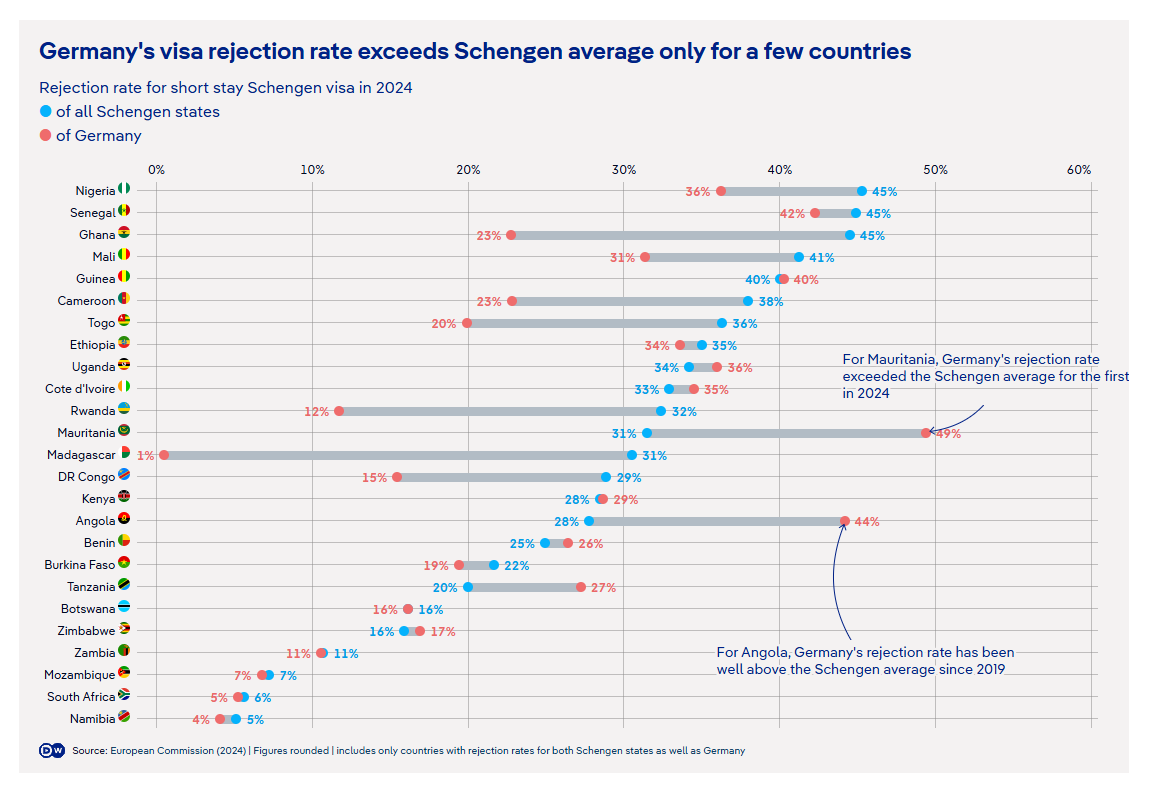
While the government states these tools are designed to attract motivated and talented people, for most applicants, the digital portal is still moving far too slowly to alleviate the stress of the waiting game.
The Struggle for Implementation
The Implementation Gap:
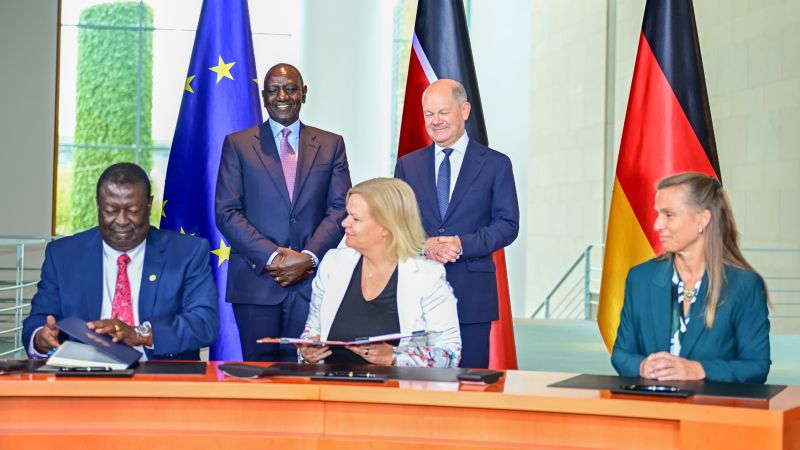
The German government signed a landmark 2024 deal with Kenya specifically to attract experts in IT, nursing, and hospitality. While leadership has praised the "unbelievable" level of talent available, the administrative results tell a different story. By late 2024, only 90 Kenyan workers had successfully arrived through this pathway, illustrating how red tape can effectively neutralize high-level migration agreements.
What This Means for Students, Researchers, and Short-Term Visitors
1. Student and Scholar Visas Remain Unaffected
If you are pursuing academic opportunities—whether university studies, vocational training (M-1), or exchange programs (J-1)—your visa category is not affected by this pause. You can continue applications and interviews as normal.
2. Increased Scrutiny at Interviews
Even for non-immigrant visa categories, consular officers are placing greater emphasis on public charge evaluations and financial documentation. We strongly advise applicants to:
-
Prepare strong evidence of financial self-sufficiency
-
Ensure clear documentation of scholarships, sponsorships, or personal funds
-
Present well-organized and complete supporting documents at interviews
Our team is already advising students and researchers to strengthen their applications in anticipation of heightened scrutiny.
What NOW?
In light of this update:
-
We are actively reviewing individual cases to determine how this policy might affect specific client situations.
-
Our consultants are assisting with portfolio preparation, including public charge documentation and financial proofs.
-
We continue to support non-immigrant visa applicants (students, researchers, exchange participants) with tailored application strategies.
We emphasise that your academic and research aspirations remain viable. This change does not close doors—it shifts certain procedural dynamics in how permanent immigration applications are processed.
For personalised support, private consultation, or clarification on how this affects your plans for the United States, please contact our team directly.